An oriental rug isn't just a floor covering. It's often the most valuable textile in your home, and it deserves a cleaning approach that respects both its construction and its worth. If you've been hesitant about oriental rug cleaning in Memphis, TN, you're right to be cautious. The wrong method can destroy natural dyes, distort hand-knotted foundations, and cause irreversible damage. Safe-Dry's low-moisture, hypoallergenic process was built for exactly this kind of work.
Memphis is home to a surprising number of fine oriental rugs. Estate sales along the East Memphis corridor, family heirlooms passed down through generations, and pieces collected from travels abroad all end up on Shelby County floors. These rugs were made to last decades or even centuries, but only if they're maintained properly. The Memphis climate, with its punishing humidity and long pollen seasons, creates conditions that accelerate wear and soil buildup in rug fibers.
We treat every oriental rug as the individual piece it is. No assembly-line processing, no one-size-fits-all chemical bath.
What happens when we show up
Oriental rug cleaning starts with a thorough inspection, and we spend more time on this step than on any other service we offer. We examine the rug's origin, fiber content, dye type, knot density, and current condition. We check for:
- Color stability. Some natural dyes, especially reds and blues, are prone to bleeding when exposed to moisture or the wrong pH. We test before we clean.
- Structural integrity. Worn foundations, frayed edges, and loose fringe all affect how we handle the rug during cleaning.
- Previous repairs. Patched areas, re-woven sections, and glued edges need different treatment than the original construction.
- Contamination. Pet urine, water damage, insect activity, and mold -- all of which we see regularly in Memphis homes.
After inspection, we explain our plan and give you a flat price. We'll be honest if a rug has damage that cleaning can't fix, and we'll recommend repair specialists when appropriate.
The 6-step cleaning process
Step 1 -- Inspection
As described above, this is the most critical step for oriental rugs. We document the rug's condition so you know exactly what we're working with, and so we can tailor every subsequent step to the specific rug.
Step 2 -- Pre-treatment
We apply cleaning solutions matched to the rug's fiber type and dye sensitivity. Wool rugs get a pH-neutral treatment that preserves natural lanolin. Silk rugs get an even gentler approach. Cotton foundations are treated to avoid swelling and distortion. We never use a generic cleaning agent on an oriental rug.
Step 3 -- Cleaning
Our carbonated cleaning technology is particularly well-suited to oriental rugs. The controlled-moisture approach means we're lifting soil without flooding the foundation. Traditional immersion washing can oversaturate the cotton warp and weft, causing shrinkage and distortion that permanently alters the rug's shape. Our method avoids that entirely.
Step 4 -- Extraction
We carefully extract the loosened soil and cleaning solution. The rug's foundation stays dry, which prevents the dimensional changes that ruin oriental rugs. In Memphis's humid climate, a soaked rug foundation can take days to dry completely, and every hour it stays wet increases the risk of mold, mildew, and dye migration.
Step 5 -- Post-treatment
Stubborn spots get individualized attention with specialized spotting agents selected for the specific dye and fiber involved. We also assess whether the rug would benefit from fiber protection, though for some antique rugs, we recommend leaving them untreated to preserve their original character.
Step 6 -- Final walkthrough
We review every inch of the rug with you. Oriental rugs reveal their cleaning results immediately, and you'll see the difference in color clarity and fiber luster. If anything needs more attention, we address it before we leave.
What this means for your Memphis home
Humidity and oriental rugs
The Memphis climate is hard on oriental rugs. The Mississippi River valley traps warm, humid air for months at a time, and that moisture affects natural fibers differently than synthetics. Wool absorbs humidity and can develop a musty smell if the rug sits over a poorly ventilated floor. Cotton foundations swell and contract with humidity changes, which can cause rippling and buckling. Silk is the most sensitive of all, developing water spots from even minor moisture exposure.
Oriental rug cleaning in Memphis, TN has to account for these realities. A cleaning method that introduces excessive moisture is fighting the local climate instead of working with it. Our low-moisture approach gets the rug clean without creating the conditions that cause secondary problems.
Protecting your investment
A quality oriental rug represents a significant financial investment, often thousands or tens of thousands of dollars. Beyond the money, these rugs carry cultural and personal significance. Proper cleaning extends their life and preserves their beauty. Improper cleaning can cause:
- Dye bleeding that turns crisp patterns into muddy blurs
- Foundation shrinkage that warps the rug permanently
- Fringe damage from chemical exposure or mechanical agitation
- Fiber damage that dulls the natural sheen of wool and silk
- Mold growth from trapped moisture, especially common in Memphis homes
We've cleaned oriental rugs for Memphis homeowners who had bad experiences with other services. We can't undo previous damage, but we can clean your rug correctly going forward.
Identifying your rug
Not sure exactly what you have? That's common, and it's part of why the inspection step matters so much. Here's a quick guide:
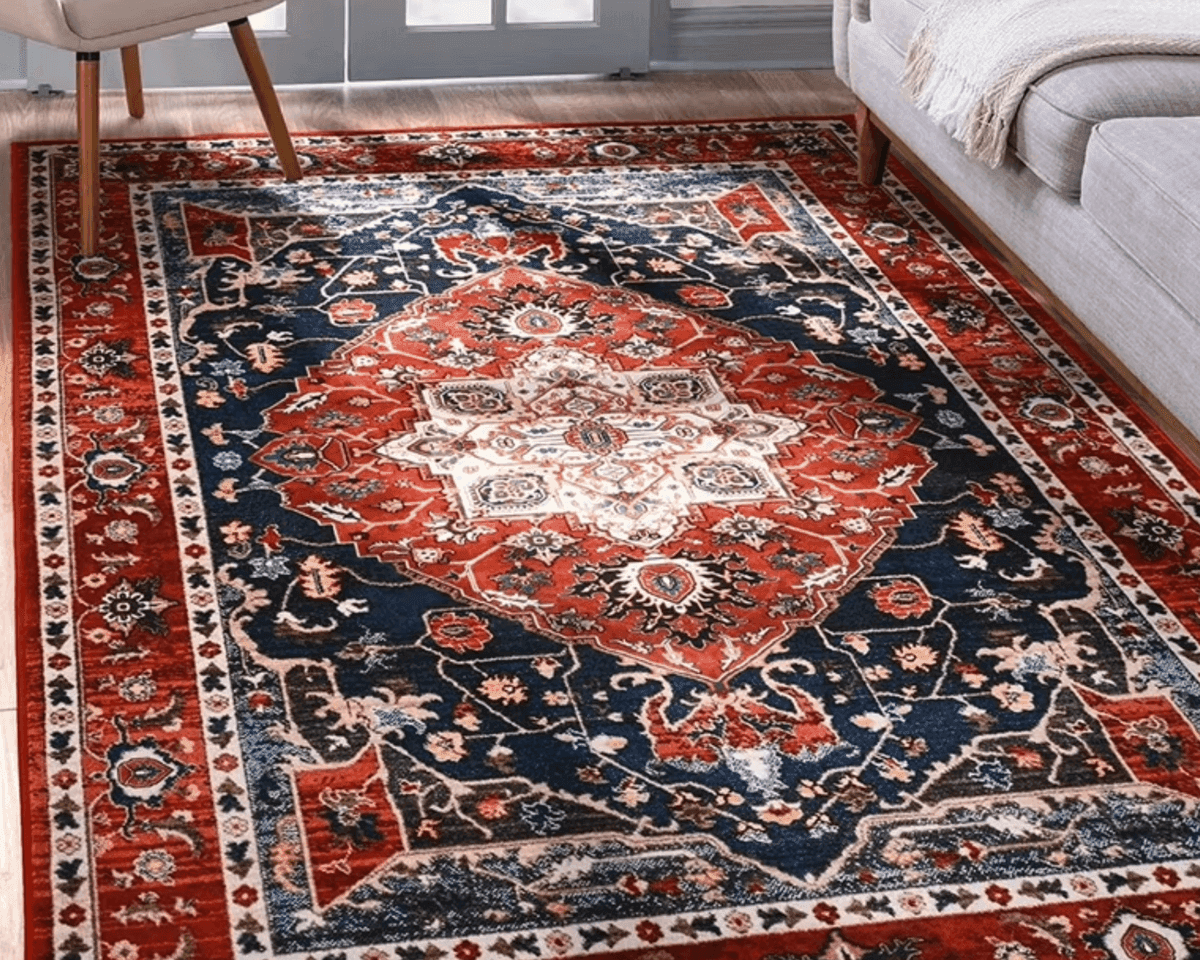
- Persian rugs -- Hand-knotted in Iran, typically wool on cotton foundation. Known for intricate floral and medallion patterns. Dye stability varies by age and region of origin.
- Turkish rugs -- Often feature bolder geometric patterns and the distinctive Turkish (Ghiordes) knot. Generally robust, but older pieces need careful handling.
- Indian rugs -- Wide range of quality from hand-knotted heirloom pieces to machine-made reproductions. We identify which you have before we start.
- Chinese rugs -- Often sculpted with raised patterns. The sculpting affects how we clean because soil collects in the carved channels.
- Kilims and flat-weaves -- No pile, which means different cleaning dynamics. These rugs are more susceptible to color bleeding because there's less fiber to buffer the dyes.
Whatever you have, we'll identify it and clean it accordingly. If we encounter a rug that needs restoration work beyond cleaning, we'll connect you with a qualified rug restoration professional.
Areas we serve
We provide oriental rug cleaning in Memphis, TN and throughout the metro area:
- Bartlett -- Many established homes in Bartlett have quality oriental rugs that benefit from professional cleaning.
- Southaven, MS -- DeSoto County homeowners with oriental rugs get the same expert service.
- Olive Branch, MS -- We serve the growing Olive Branch community for all rug types.
- Millington -- From military families who've collected rugs overseas to longtime residents, we're here.
- Horn Lake, MS -- Full coverage across the southern metro into DeSoto County.
Trust your oriental rugs to the right cleaner
Your oriental rug deserves someone who understands what it is and how to care for it. Call us at 901-250-0349 or schedule online to book an appointment. We'll inspect your rug, explain exactly what we'll do, and give you a flat price before any work begins.
We also handle area rugs, carpet, and upholstery if you want to address everything in one visit.