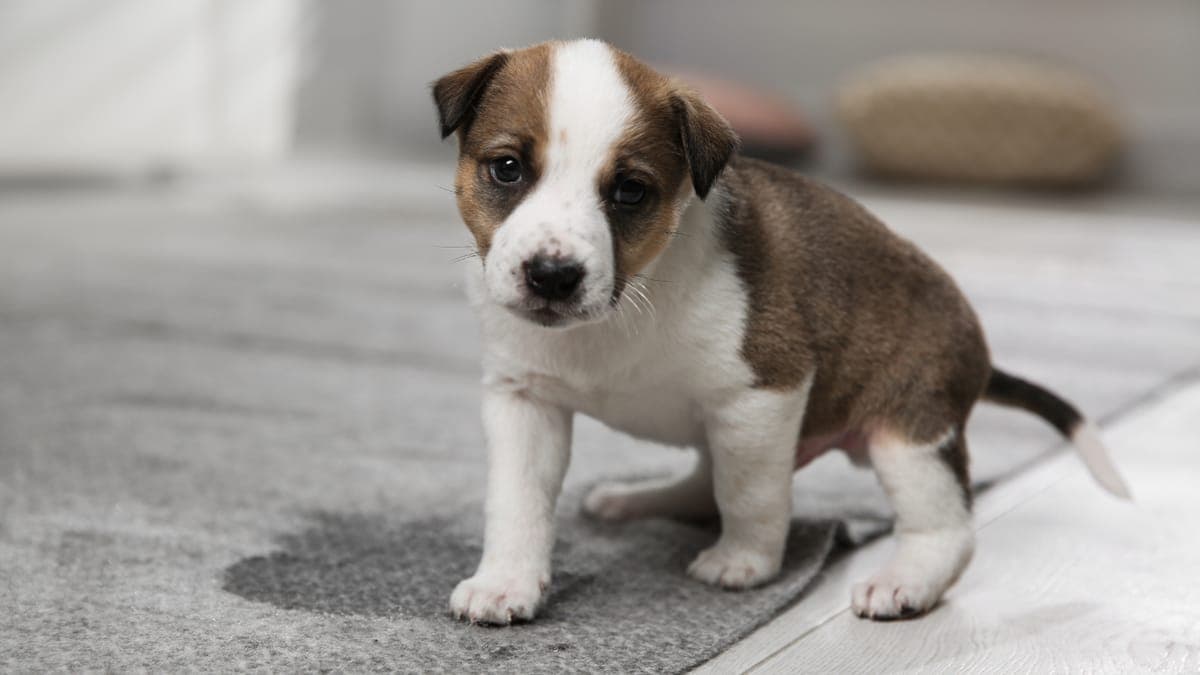
You've scrubbed the spot. You've used the enzyme spray from the pet store. You've rented a carpet cleaner and gone over the area three times. For a day or two, the carpet smells fine. Then, especially on a warm afternoon or a rainy day, that unmistakable pet odor drifts right back.
If this cycle sounds familiar, you're not alone. Pet odor that keeps returning after cleaning is one of the most common carpet complaints we hear from Memphis homeowners. It's frustrating, but once you understand why it happens, the path to actually fixing it becomes a lot clearer.
Why the Smell Comes Back
The short answer is that you're cleaning the surface, but the source of the odor is deeper than the surface.
When a dog or cat urinates on carpet, the liquid doesn't just sit on top of the fibers. It soaks through the carpet face, through the backing, into the pad, and in some cases reaches the subfloor. Gravity ensures that the widest part of the contamination is at the bottom, not the top. A spot that looks like a small circle on the carpet surface might be three times wider at the pad level.
As the urine dries, it crystallizes. These uric acid crystals are the core of the problem. They're insoluble in water, they bind tightly to carpet fibers and pad material, and they're remarkably stable. They can sit dormant for months or even years. But when they encounter moisture, whether from humidity, a cleaning attempt, or a fresh accident, they reactivate and start releasing odor again.
This is why Memphis pet owners have a particularly tough time with recurring odor. The Mississippi River valley humidity that defines our climate provides a near-constant source of reactivation moisture. Uric acid crystals that might stay dormant in a dry climate like Albuquerque are getting triggered repeatedly in Shelby County's warm, humid air. Every muggy summer afternoon is an invitation for those crystals to release odor all over again.
What Store-Bought Products Can and Can't Do
Most carpet cleaning products available at pet stores and grocery stores fall into a few categories, and each has limitations when it comes to pet urine.
Surfactant-based cleaners (most general carpet cleaners) are designed to break down surface soil. They can remove the visible stain and the surface-level odor, but they don't break down uric acid crystals. They might mask the smell temporarily with fragrance, but the underlying crystals remain intact.
Enzyme-based cleaners are a step in the right direction. Enzymes are biological catalysts that break down organic compounds, including the proteins and bacteria in urine. Good enzyme cleaners can be effective on fresh accidents that haven't fully dried, especially if you catch them quickly and the urine hasn't reached the pad. The limitation is contact time and penetration depth. The enzymes need to reach every bit of the contamination and stay moist long enough to work, often 24 hours or more. If the urine has soaked into the pad, a surface application of enzyme cleaner usually can't reach the deepest contamination.
Oxidizing agents (hydrogen peroxide-based products) can help with staining and some odor, but they can also bleach colored carpet. They're not specifically designed to break down uric acid crystals.
Odor-masking products (deodorizers, fragrance sprays, baking soda) do exactly what the name suggests. They cover the smell without addressing the cause. The moment the masking agent dissipates, the pet odor returns.
None of these products are bad, necessarily. They just aren't able to reach contamination that has soaked through to the pad and crystallized over time. It's like painting over water damage on a ceiling without fixing the roof leak.
Surface Cleaning vs. Deep Treatment
The fundamental issue with recurring pet odor is the gap between where the contamination lives and where most cleaning methods reach.
Surface cleaning affects the top of the carpet fibers. Rental carpet cleaners penetrate a bit deeper, reaching down into the pile and sometimes touching the backing. But the carpet pad, which is where the majority of the urine has collected and crystallized, remains largely untouched by either approach.
Professional pet odor treatment bridges that gap. A proper treatment involves several components working together:
Identifying the full extent of contamination. UV black lights reveal dried urine deposits that aren't visible under normal lighting. This step often surprises pet owners because they discover contamination in areas they didn't know about. Pets sometimes revisit the same general area without hitting the exact same spot, so the contamination zone can be much larger than expected.
Subsurface treatment. Professional-grade enzyme solutions are injected through the carpet and into the pad, not just applied to the surface. This ensures the treatment reaches the uric acid crystals where they actually are, not just where you can see or smell them from above.
Adequate dwell time. Professional enzymes are formulated to work more aggressively than consumer products, and the application method ensures they stay in contact with the contamination long enough to fully break down the uric acid crystals.
Extraction. After the treatment has done its work, the broken-down contaminants are extracted from the carpet and pad. This removes the waste products rather than leaving them in place.
When the Pad Needs to Go
There are cases where the pad is so saturated that treatment alone won't fully resolve the odor. If a pet has been repeatedly urinating in the same area over months or years, the pad can become so thoroughly contaminated that even professional enzyme treatments can't neutralize it completely.
In these situations, the most effective solution is to replace the affected section of pad. This sounds more dramatic than it is. A professional can pull back the carpet, cut out the damaged pad section, treat the subfloor if needed, install fresh pad, and re-stretch the carpet back into place. It's far less expensive than replacing the entire carpet, and it eliminates the reservoir of contamination that was driving the recurring odor.
We can assess whether your situation calls for treatment alone or pad replacement during an initial inspection. There's no point in treating a pad that's beyond saving, and there's no reason to replace a pad that treatment can handle.
Preventing the Cycle From Starting Over
Once the existing pet odor has been properly addressed, a few habits keep the problem from rebuilding:
Clean up fresh accidents immediately. Blot up as much urine as possible with paper towels, apply an enzyme cleaner according to the directions, and allow adequate drying time. The faster you respond, the less likely urine is to reach the pad.
Don't rely on smell to find old spots. By the time you can smell a pet odor problem, there's usually significant crystallized contamination below the surface. A periodic check with an inexpensive UV flashlight can reveal developing issues before they become entrenched.
Stay on a regular cleaning schedule. Professional pet odor treatment on a regular basis prevents uric acid crystal buildup from reaching the point where surface cleaning can't keep up. For homes with pets, annual professional cleaning is a reasonable baseline, with more frequent service if you have multiple pets or a pet that's prone to accidents.
Manage indoor humidity. Since Memphis humidity reactivates uric acid crystals, keeping your indoor humidity below 50% with air conditioning and dehumidification reduces the frequency of odor flare-ups between cleanings.
If pet odor in your carpet has been a recurring battle, there's a good chance the contamination has reached deeper than your current cleaning approach can address. We deal with this specific problem regularly and can give you an honest assessment of what it will take to resolve it. Schedule an inspection online or call us at 901-250-0349. We'll figure out what's going on and give you a plan that actually works.